

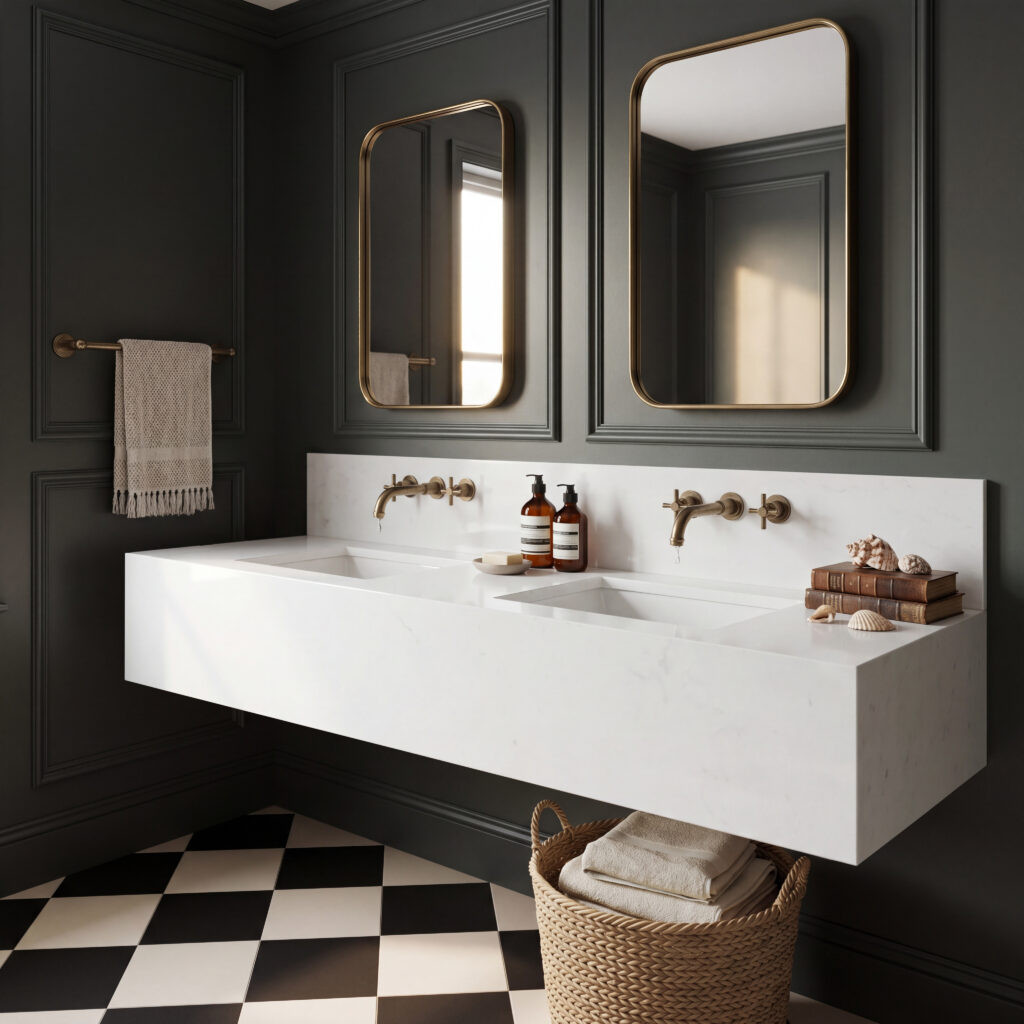
Far from ordinary, pure white marble is a symbol of timeless luxury and resilience. You can find its presence in almost every important architecture across the world, from the iconic Taj Mahal in India to the contemporary commercial structures in the United States. Even Michelangelo preferred white marble for sculpting. Modern spaces today showcase marble in a more subtle and thoughtful way, where it creates a seamless transition between different palettes and textures.
But what really makes a solid white slab still relevant in modern design in 2026? There is more than one answer to this question. Let’s find out.
It goes without saying that white goes with almost every other color. A spotless white marble is more versatile than any veined stone. It can fit in both minimalist and maximalist designs, bringing different perspectives into the scene. What makes it more special is its rarity. Unlike other white and grey marbles, solid white marble is not widely sourced. Some of the most renowned varieties are found in Greece, Turkey, and India.
Also, the absence of impurities lends it a speckless white background that suggests purity. So, when you look at a white marble, you behold purity, rarity, and versatility packed in one stone. The combination of these three qualities cannot be found in any other material, making your pure white marble countertop a priceless possession.
Now that you have an idea of how valuable a solid white marble slab is, let’s look at some of our bestselling varieties.
Thassos
Thassos is an undisputed white marble from the island of Thassos in northern Greece. It is composed of 99% pure calcite carbonate, which gives the stone its clean, snow-white appearance. While all white marble may look the same, each comes with nuanced distinctions. Thassos has a fine-grained, almost sugary texture and crystalline luster that reflects natural light, filling any space with a bright and positive vibe. It is widely used in high-end residential and commercial interiors, columns, patios, mosaics, and wall cladding. The rarity and high demand make Thassos marble a premium investment.
Naxos
Thassos and Naxos may look like twins at first glance, but there are nuanced differences in their origin, appearance, and structure. Firstly, Naxos is found in the Mediterranean island of Naxos in Greece. Tone-on-tone beige streaks give this marble a warm white background. Its sparkly sheen is lent by minerals like mica and quartz. Naxos is not completely opaque. Medium-sized crystals lend it a subtle level of translucency. Designers choose this marble for statement countertops, vanities, flooring, and islands. Naxos marble adds a layer of warmth to design, making spaces feel more inviting.
Bianco Sivec
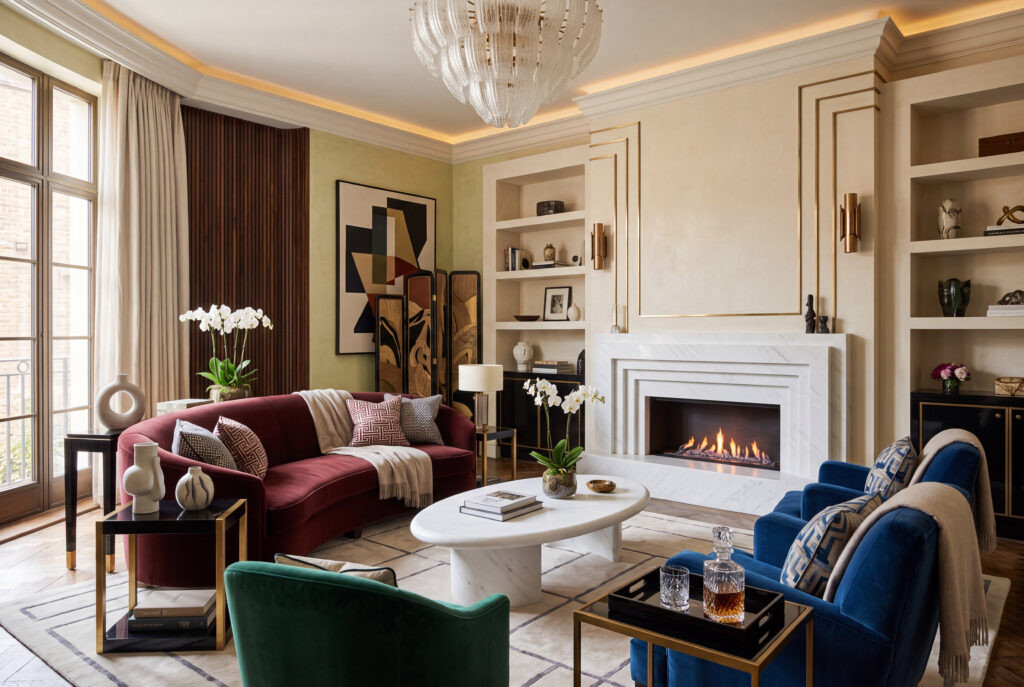
North Macedonia, nestled just north of Greece, is home to Bianco Sivec marble. It may look similar to other white stones. But the difference lies in its mineral composition and crystal formation. Unlike the former two, you can see delicate grey and warm undertones in this marble, toning down the stark whiteness of the calcite mineral. Besides, Bianco Sivec is a dolomitic marble, making it naturally more resistant to staining, heat, and other factors than calcitic marble. This is another reason designers prefer to use this marble in the kitchen, bathroom, and other impact-prone areas. Moreover, it can retain polish longer and reflects light more evenly, adding a touch of quiet luxe to any aesthetic.
Elegance White
While European white marble has its charm, this Vietnamese marble is equally captivating. Also marketed as Vietnam White, its uniform white surface showcases subdued silvery-grey undertones or very light veining, perfect for those who prefer textured white varieties for flooring, countertops, or wall cladding. Minimal variations in stones often add to the aesthetic layers of any design layout without overwhelming the palette, especially when paired with maximalist or art deco themes. Elegance White marble, moreover, is a great material for water-prone areas like kitchens, bathrooms, and pool surrounds, thanks to its low-absorption nature.
What makes pure white marble still relevant in 2025 interior design?
The way designers perceive a slab of pure white marble remains the same in 2025 a canvas for luxury design, a stone of endless possibilities. Here is why the demand for these white beauties has reached a fever pitch in modern architecture and interior design.
Main character and design element
White marble is like a blank canvas that can be used to achieve various design styles, from minimalist to eclectic. When “less is more” is the essence of a space, interior designers prefer Elegance White or Bianco Sivec for their soft undertones and minimal variations. They add visual depth and warmth to the layout. Along with that, they naturally uplift the ambiance with a soft radiance. When spotless marbles like Thassos or Naxos are set against darker elements or maximalist patterns, they create a perfect balance by reducing visual noise from the overwhelming details. Not only does this create a perfect balance between dramatic depth and minimalist elegance, but it also allows other decorative elements to stand out.
Versatility Across Styles
Another reason that makes white marble a timeless choice is its ability to blend with eccentric styles. From Japandi to art deco to industrial chic, there is always a spot for its flawless white elegance. Moreover, modern designers are pairing different metals, woods, and jewel tones with marble to enhance tactile richness across the design scheme.
Glossy Marble to the Rescue
Calcite crystals give marble a kind of high gloss that works wonders in both intimate layouts. Your kitchen and living room will look larger and brighter, as light bounces off the white slab. White floors, countertops, and walls create an illusion of spaciousness even in a small-scale environment.
The Quiet Charm of White Marble
Modern consumers are seeking a break from machine-made perfection and flashy materials. This is why interior designers are turning to white marble for their organic appeal and quiet charm.
How to Care for Pure White Marble Surfaces?
Worried that a Thassos kitchen countertop might take away the fun from cooking? These simple maintenance tips will make caring for marble a breezy affair.
- Seal Regularly
Marble is porous, absorbing liquids really fast. So, sealing twice a year can help maintain a protective layer against staining.
- Use Gentle Cleaners
Calcite is quick to react with low pH cleaners, leading to dull spots or etch marks. Even lemon juice, vinegar, and bleach can steal marble’s shine. This is why we recommend our clients to use a pH-neutral cleaner for regular cleaning of their countertops, floors, and the rest.
- Wipe Spills Immediately
Spilling coffee or sauce on your white island feels miserable. But it does not have to be an irreversible disaster as long as you address it promptly. Give no second thoughts; blot the spills as soon as they land on the stone. You can also use a baking soda-water poultice to treat stubborn stains.
- Avoid Abrasives
Avoid scrubbing the slab with scouring pads if you want to avoid scratches on the stone. Instead, use a microfiber cloth to maintain the smooth finish.
- Protect from Thermal Shock
Though marble can withstand extreme temperatures, sudden exposure to heat can cause thermal shock. Place coasters or hot pads under hot pots or pans to prevent unwanted cracks.
- Routine Maintenance
Keep your white marble surfaces clean and dry to avoid dust accumulation and mildew growth.
With mindfulness and a little care, pure white marble continues to grace modern interiors with its eternal charm, weaving together centuries of artistry with today’s design sensibilities. It is a stone that never goes out of style.