

About This Page
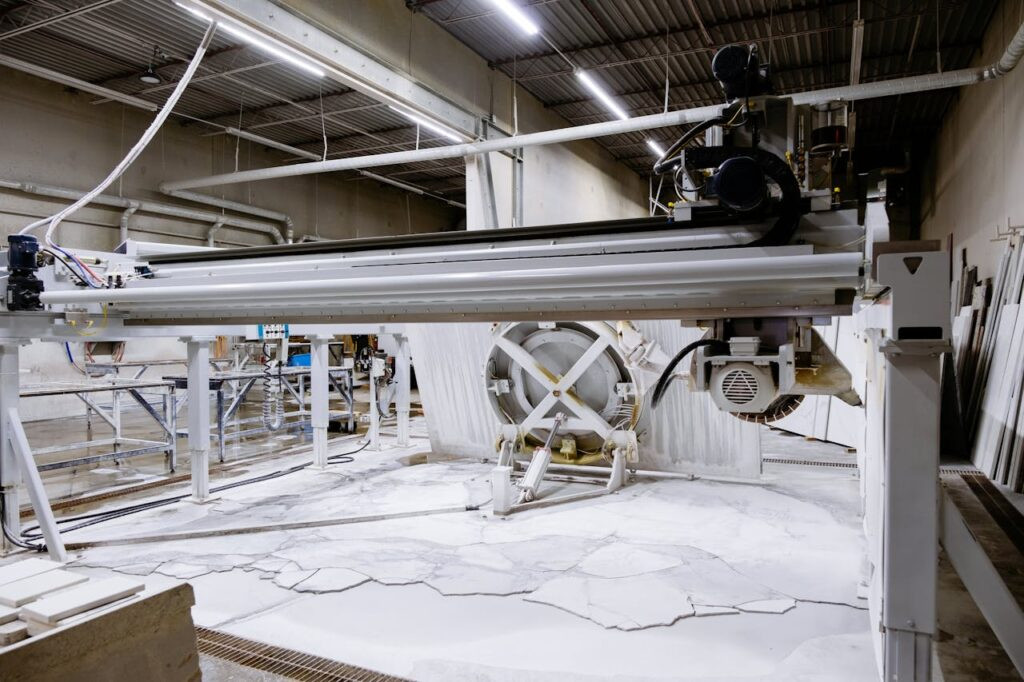
This Silica Safety page is dedicated to promoting the health and safety of workers in the stone fabrication and installation industry. Exposure to respirable crystalline silica from materials such as granite and quartz surfaces has long been recognized as a serious health hazard by the Occupational Safety and Health Administration (OSHA) and the National Institute for Occupational Safety and Health (NIOSH). To reduce these risks, OSHA and NIOSH have established regulations and guidelines for the safe fabrication, finishing, and installation of stone products. We encourage industry professionals to review and follow recommended safety practices, including wet processing methods, engineering controls, air monitoring, and the use of appropriate personal protective equipment to help prevent silicosis and other silica-related diseases.
Silica Hazard Awareness
1. What is Crystalline Silica?
Crystalline silica is a naturally occurring mineral found in many commonly used building and construction materials, including granite, engineered quartz surfaces, concrete, stone, and aggregates. It is an essential component in the stone and construction industries due to its strength and durability.
However, when these materials are processed, crystalline silica can become airborne in a fine, respirable form that poses serious health risks to workers.
2. What Are the Risks in the Fabrication and Installation Industry?
In stone fabrication and installation processes such as cutting, grinding, drilling, or polishing, materials containing crystalline silica can release fine dust particles into the air. These particles, known as respirable crystalline silica dust, are small enough to be inhaled deep into the lungs.
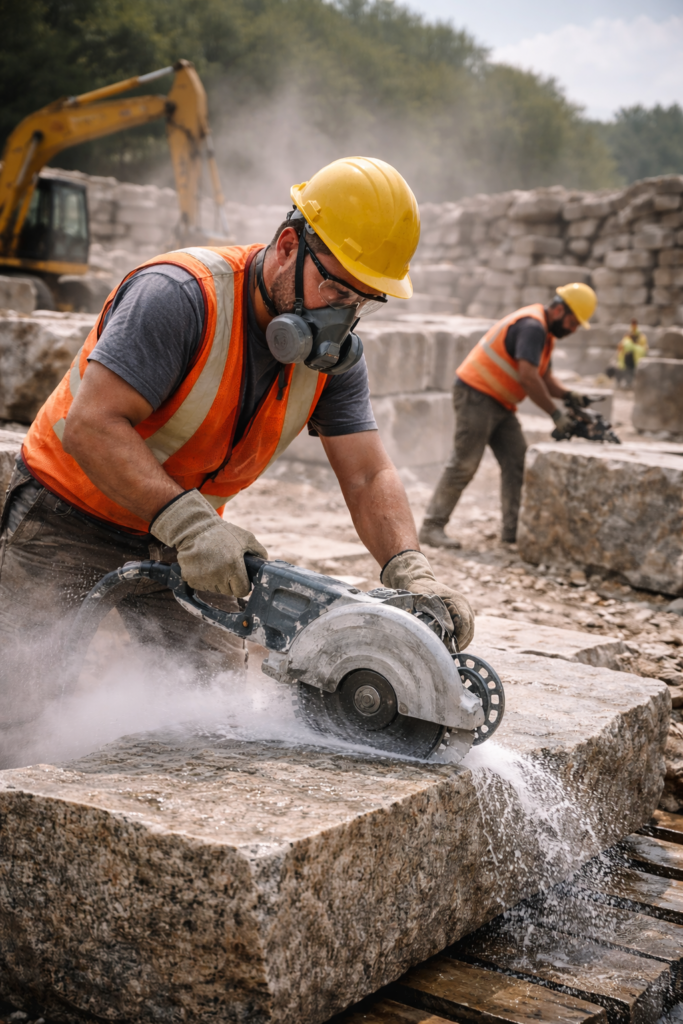
Without proper safety measures, workers in fabrication shops and installation sites are at significant risk of exposure. Activities performed in enclosed or poorly ventilated environments further increase this risk. To mitigate exposure, it is critical to implement:
- Wet cutting methods
- Proper ventilation systems
- Dust suppression technologies
- Air monitoring
- Appropriate personal protective equipment (PPE)
3. What Are the Health Implications?
Exposure to respirable crystalline silica dust can lead to serious and potentially irreversible health conditions. The most significant risk is silicosis, a lung disease caused by the accumulation of silica particles in the lungs. In addition to silicosis, prolonged exposure may contribute to other respiratory issues, including reduced lung function and an increased risk of lung cancer.
Because these diseases develop over time and may not show immediate symptoms, consistent preventive measures and adherence to safety standards are essential to protect worker health.
Key Health Risks
- Silicosis — a serious, irreversible lung disease
- Reduced lung function and respiratory complications
- Increased risk of lung cancer
- Symptoms may not appear immediately — long-term vigilance is essential
4. What Should the Final User Be Aware Of?
The risks associated with crystalline silica are primarily occupational and apply to professionals involved in the fabrication, cutting, and processing of stone materials.
When used in their final, installed form — such as countertops, flooring, wall cladding, facades, vanities, sinks, and similar applications — stone surfaces are safe for everyday use by end consumers. These materials are widely utilized across residential and commercial environments and are considered safe under normal conditions of use.
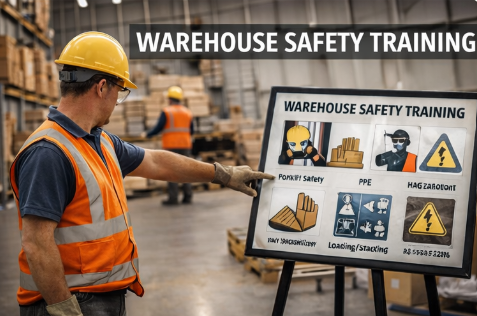
As with any construction material containing crystalline silica (including granite, marble, quartzite, concrete, and similar products), any cutting, grinding, or finishing should be carried out by trained professionals using appropriate equipment and safety measures. When on-site modifications are required, proper precautions must be taken to minimize dust generation. These include using wet processing methods, dust extraction systems, adequate ventilation, and appropriate personal protective equipment.
Health conditions such as silicosis and other respiratory diseases are associated with prolonged and repeated exposure to high levels of respirable crystalline silica dust, typically in occupational settings. These conditions do not arise from the normal use of finished stone products.
While occasional minor handling or adjustments do not pose significant risk, it is always advisable to follow safe practices and minimize dust generation wherever possible.
Safe for End Consumers
- Stone surfaces in their final installed form are safe for everyday residential and commercial use under normal conditions.
5. Our Commitment to Safety
At Ultra Stones, we support industry-wide efforts to promote silica safety and responsible fabrication practices. We strongly encourage fabricators, installers, and all industry professionals to comply with safety standards established by the Occupational Safety and Health Administration (OSHA).
We advocate for safe work environments through proper employee training, implementation of effective dust control systems, and adherence to best practices such as wet processing and controlled fabrication methods. Preventing harmful exposure to respirable crystalline silica is achievable through awareness, compliance, and accountability.
Promoting worker health and safety is a shared responsibility. Ultra Stones remains committed to supporting safer industry practices and encouraging continuous improvement in safety standards across all fabrication and installation environments.
Fabrication & Installation
Safety Resources & Downloads
Access official OSHA, NIOSH, and industry safety documents. All links open official government or industry authority websites.
OSHA / NIOSH
OSHA–NIOSH Hazard Alert
Official hazard alert for respirable crystalline silica in the stone fabrication and installation industry.
OSHA 2024
OSHA Hazard Analysis (2024)
The most recent OSHA hazard analysis on crystalline silica with updated safety recommendations.
Consultation
OSHA On-site Consultation Program
Free and confidential occupational safety and health consultation program available to employers.
OSHA Standard
OSHA Crystalline Silica
Full OSHA crystalline silica standard, guidance documents, and enforcement resources for employers.
CDC / NIOSH
CDC and NIOSH: Silica
CDC and NIOSH resources covering silica-related health conditions, research, and safety guidelines.
OSHA Inspection
OSHA Respirable Crystalline Silica Focused Inspection
OSHA standard interpretations for focused inspections on respirable crystalline silica (2023).
Natural Stone Institute
Natural Stone Institute: Silica
Industry-specific silica safety resources, training, and guidance from the Natural Stone Institute.
Certification
Silica and Slab Safety Certificate
Earn an industry-recognized silica and slab safety certification through the Natural Stone Institute.
California
Cal/OSHA Silica Standards and Resources
California-specific silica standards, FAQs, and compliance resources from Cal/OSHA DIR.
Safety Data Sheets
Download official Safety Data Sheets for all Ultra Stones product categories.
Best Practices
Good Practice Guide
Download our Good Practice Guide for the safe fabrication and installation of Ultra Stones products. This guide outlines recommended procedures, dust control methods, and engineering controls to help protect workers and ensure compliance with OSHA and NIOSH standards.
Labels
Safety Labels
Official safety labels must be affixed to all product packaging, slab bundles, and jobsite documentation. These labels communicate the presence of crystalline silica and required precautions to all handlers and fabricators.
Certifications
Certifications
Ultra Stones holds industry certifications that demonstrate our commitment to responsible sourcing, fabrication safety standards, and continuous improvement in worker protection.
Safety & Compliance Notice
The information and recommendations provided by Ultra Stones regarding occupational health and safety are intended for general guidance only. This content is not comprehensive and should not be considered a substitute for compliance with applicable local, state, or federal laws and regulations.
Safety requirements may vary depending on specific workplace conditions, equipment, and operational processes. It is important to seek guidance from relevant authorities and qualified industrial hygiene professionals to determine appropriate measures for controlling risks and reducing exposure to hazards such as respirable dust.
Employers are solely responsible for ensuring that their workplace complies with all applicable health and safety regulations, including providing proper training, information, and protective measures for their employees.
Ultra Stones strongly recommends consulting competent occupational health professionals to assess workplace conditions and implement effective safety protocols. Maintaining a safe work environment requires continuous compliance, monitoring, and adherence to established standards.
Get in Touch
At Ultra Stones, we believe supporting our customers goes beyond supplying quality materials. We take pride in providing information and resources that help promote a safe and responsible workplace for the employees who handle and fabricate stone every day.